Nigerlites seeking treatment in private hospitals across the State may soon benefit from safer and cleaner facilities, as the Niger State Private Health Facilities Agency, NISPHFA, moves to make water, sanitation and infection control a compulsory condition for licensing.
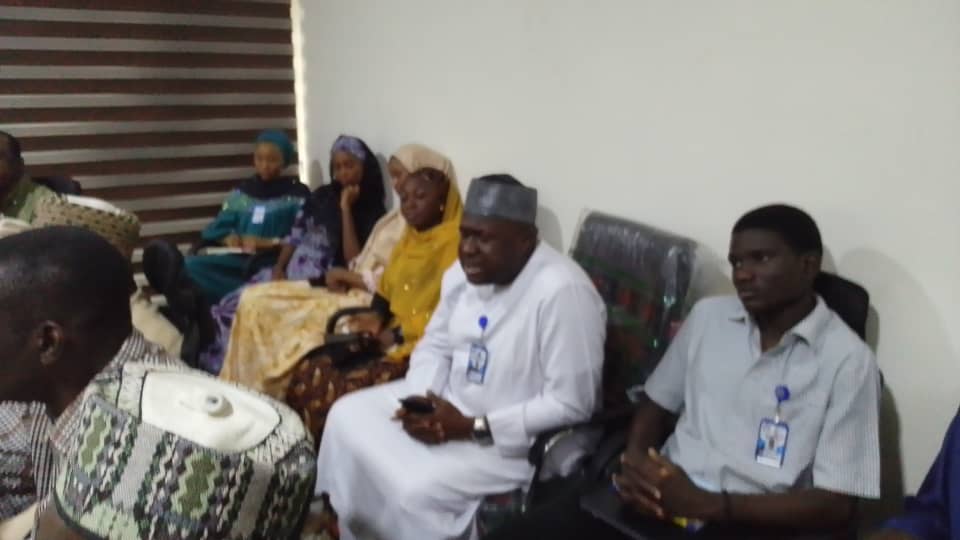
The Executive Chairman of NISPHFA, Dr. Abdullahi Suleiman, disclosed this during the Agency’s weekly academic day training for staff. He said the Agency is designing a basic minimum standard model on hygiene and infection prevention that must be met before any private health facility can be approved to operate in the State.
According to Dr. Suleiman, the new policy is aimed at improving quality healthcare delivery and protecting patients from preventable infections. “In order to improve hygiene and quality health across private facilities in the State, it is necessary for the Agency to provide a strict policy for facilities to adhere to as part of criteria for certifying standard health facilities across the State,” he stated.
Presenting the topic “Hygiene and Sanitation Safety for Health Facilities”, Water Sanitation and Hygiene (WASH) Consultant, Abdullahi Suleiman, warned that poor hygiene practices directly reintroduce germs to patients, Staff and equipment. He explained that without proper handwashing and cleaning, blood and other contaminants from procedures can easily spread, putting everyone at risk.
Suleiman emphasized that clean water is non-negotiable for any facility. “You cannot bath with ordinary water nor brush with contaminated water. For scrubbing, cleaning and sterilizing utensils, you must have quality water. No direct hand contact with water during procedures,” he said, citing cases where even packaged ‘pure water’ became contaminated due to poor handling.
On sanitation of infrastructure, the Consultant said NISPHFA should enforce toilet-to-patient ratios in line with national standards. For Primary Health Centres, the benchmark is 1 toilet for every 20 patients and a minimum of 4 for 20 in-patients. He added that facilities must provide separate, accessible toilets for pregnant women, children and persons with disabilities, with proper ventilation, flushing and cleaning at least twice daily.
He also flagged other critical issues affecting citizens; no open defecation within 500 meters of a facility, no waste overflow, and safe disposal of medical waste. “We are discouraging the filth around. No pieces on the floor, no bad odour. Your environment must be clean because that is where healing begins,” Abdullahi noted.
The Executive Chairman said the new hygiene model will be integrated into NISPHFA’s inspection and licensing process. Facilities that fail to meet the standards will not be certified. The Agency reiterated its commitment to ensuring that every citizen who walks into a private hospital in Niger State gets care in a safe, clean, and dignified environment.
Muhammad S. Abubakar
Information Officer
NiSPHFA
NISPHFA INTRODUCES STRICT HYGIENE MODEL FOR PRIVATE HOSPITALS IN NIGER STATE
A
BY Aisha Muhammed kuduPublished August 31, 2026