
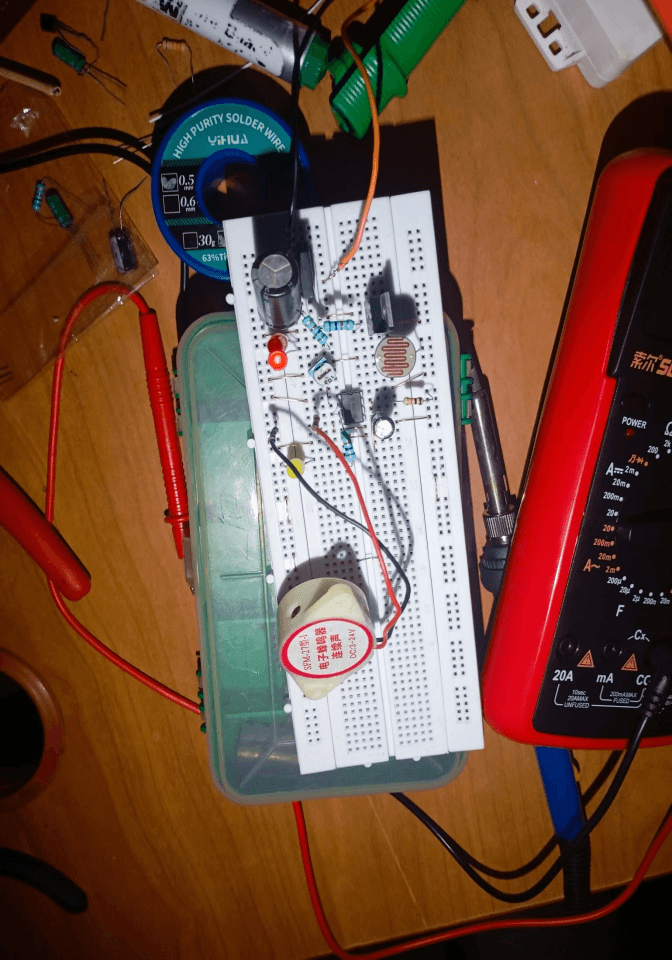
For years, industrial automation and monitoring systems across West Africa relied heavily on expensive, imported hardware that was often poorly adapted to local power fluctuations and harsh environmental conditions. In 2026, a quiet shift is taking place across engineering hubs and university research labs: Nigerian hardware developers are building custom, low-cost embedded systems designed specifically for regional infrastructure needs.
By pairing microcontrollers like the ESP32 with precision sensor arrays and localized firmware, engineers are solving problems once thought to require multi-million naira industrial SCADA setups.
The Rise of Localized Hardware Solutions
The demand for real-time data has never been higher. Whether tracking environmental metrics in flood-prone river basins or monitoring power distribution across localized mini-grids, off-the-shelf commercial equipment often proves too cost-prohibitive for widespread deployment.
Custom embedded hardware changes the calculus. By designing dedicated circuits on modular prototyping boards and moving into custom PCB layouts, local teams are creating hardware nodes that cost a fraction of imported alternatives while delivering comparable precision.
"Building custom hardware isn't just about reducing costs—it's about retaining full control over the data pipeline and creating systems that survive real-world operational stress."
Edge Intelligence at the Grassroots Level
What sets this new wave of hardware development apart is the integration of edge intelligence. Rather than sending raw, unprocessed telemetry over fragile cellular networks to cloud servers, modern embedded nodes process data directly at the sensor level.
By running lightweight predictive models on edge microcontrollers, these systems can:
- Detect anomalies instantly: Flag power grid frequency dips or water level spikes in milliseconds.
- Conserve power and bandwidth: Only transmit summary alerts when critical thresholds are breached.
- Operate autonomously: Continue making critical control decisions even when network connectivity drops.
Bridging the Gap to Commercial Deployment
As university labs and tech incubators continue to mature, the challenge is no longer about proving the prototype works on a breadboard—it is about scaling these solutions into ruggedized, commercial-grade enclosures.
With growing support from national tech challenges, incubator programs, and private sector partnerships, Nigeria's embedded engineering ecosystem is proving that home-grown hardware is ready to power the country's technological backbone.