

In the heart of Nigeria’s sprawling farmlands, a quiet revolution is taking root. For generations, the narrative of Nigerian agriculture has been dominated by the "hoe and cutlass"—a symbol of tradition, but also of inefficiency and vulnerability to the whims of the climate. As we navigate 2026, that narrative is being rewritten by a new generation of innovators, engineers, and farmers who are trading guesswork for data-driven precision.
The integration of the Internet of Things (IoT) and smart sensor technology is no longer just a futuristic concept for research labs; it is becoming a vital intervention for national food security.
The Data-Driven Farm
The challenges facing Nigerian agriculture—unpredictable weather patterns, inefficient water management, and post-harvest losses—are formidable. However, the solution lies in the soil itself. By deploying low-cost, connected sensors, farmers can now monitor soil moisture, temperature, and nutrient levels in real-time.
The shift from "blind farming" to predictive cultivation is the most significant trend of 2026. When a farmer knows exactly when and where to irrigate, they aren't just saving water—they are optimizing the entire growth cycle of their crops. For a staple crop like maize, which reacts dramatically to water stress, this precision is the difference between a mediocre harvest and a bumper yield.
The Power of Smart Irrigation
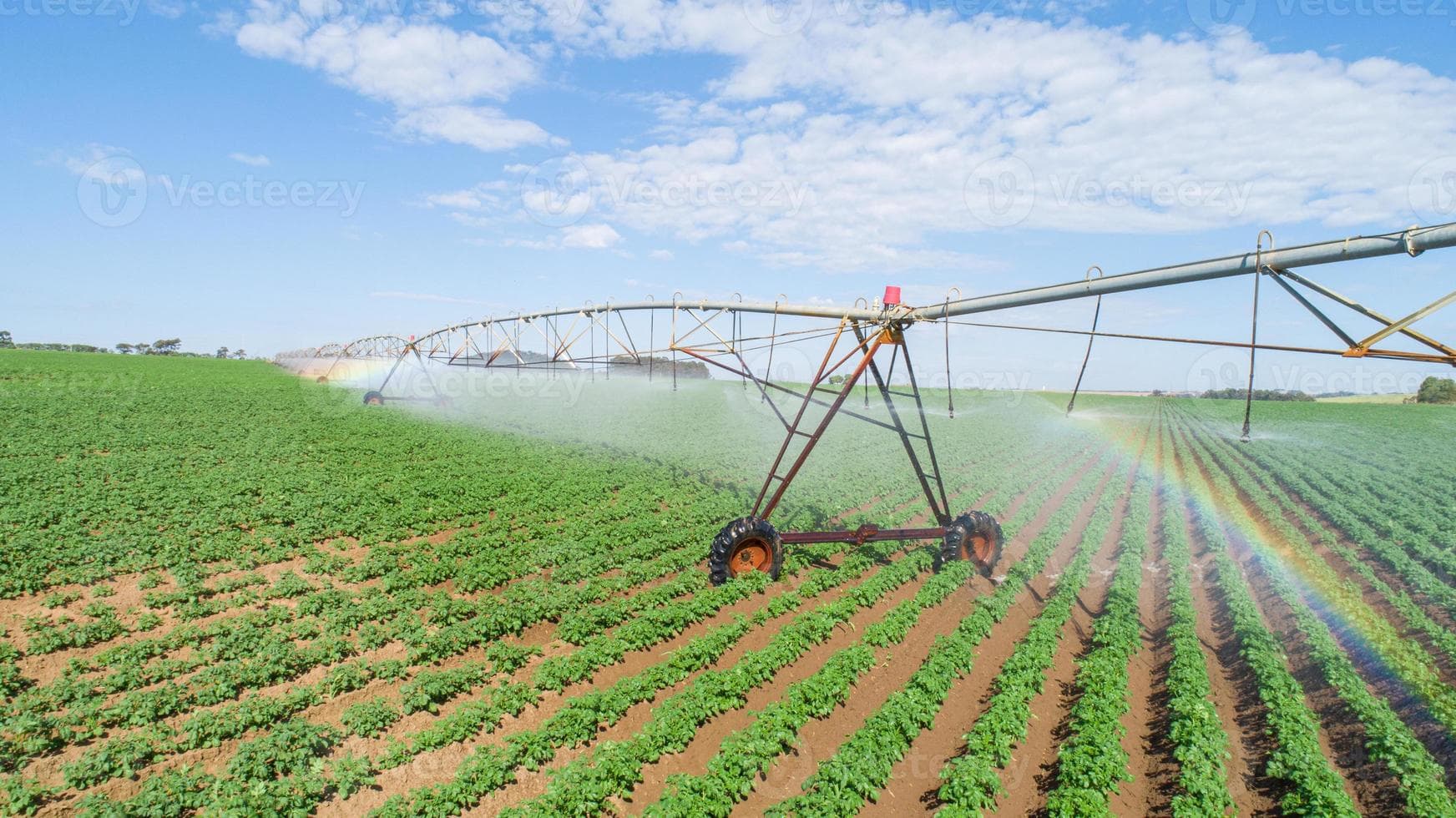
One of the most practical applications gaining traction across the country is the automated, solar-powered smart irrigation system. Traditionally, flood or pivot irrigation has been resource-heavy and uniform, ignoring the nuances of different soil types and topographies.
Today’s smart systems, often powered by robust, affordable microcontrollers like the ESP32, do away with these inefficiencies. These systems communicate with moisture sensors buried at the root zone, activating pumps only when the plant truly needs it and shutting them off precisely when the moisture threshold is reached. By eliminating evaporation and runoff, these IoT-enabled setups can reduce water usage by 30-50% while simultaneously boosting crop quality.
Bridging the Knowledge Gap
The most exciting development in 2026 isn't just the hardware; it’s the accessibility. Initiatives like the National Adopted Village for Smart Agriculture (NAVSA) are proof that the government and private sector are beginning to see digital literacy as a core agricultural output.
We are seeing a unique synergy where engineering students and agritech startups are building solutions locally, specifically designed for the Nigerian landscape. From platforms that provide soil intelligence to digital marketplaces that eliminate predatory middlemen, the tech ecosystem is finally addressing the "last mile" of farming.
The Road Ahead
While the adoption rate for IoT in some regions is still growing, the momentum is undeniable. As connectivity infrastructure expands, with 5G networks and broader 4G coverage making real-time field monitoring more reliable, the dream of a self-sufficient Nigeria is moving within reach.
For the Nigerian farmer, the future is no longer a matter of luck. It is a matter of sensors, data, and the intelligent application of resources. By embracing these tools, we are not just growing crops; we are cultivating a more resilient, profitable, and secure future for the entire nation.
Learn more about the technology behind smart farming:
5 Agritech trends reshaping farming in Nigeria
This video provides a great breakdown of the current agritech trends actively boosting yields and lowering costs for Nigerian farmers in 2026.